


Felix and USDhl
As the HyperEVM continues to go from strength to strength with more and more protocols launching and TVL increasing by the day, certain teams are beginning to stand out to me - Felix being one of those teams. In this parsec weekly I’m going to provide an overview of Felix and specifically discuss their newest (and most ambitious) product launch: USDhl.

As the 2nd largest protocol by TVL after Hyperdrive, Felix offer a suite of products across borrow/lend and stablecoins.
The first and largest product is the Liquity style CDP whereby users can collateralise HYPE and UBTC (Unit Bitcoin) to mint feUSD.

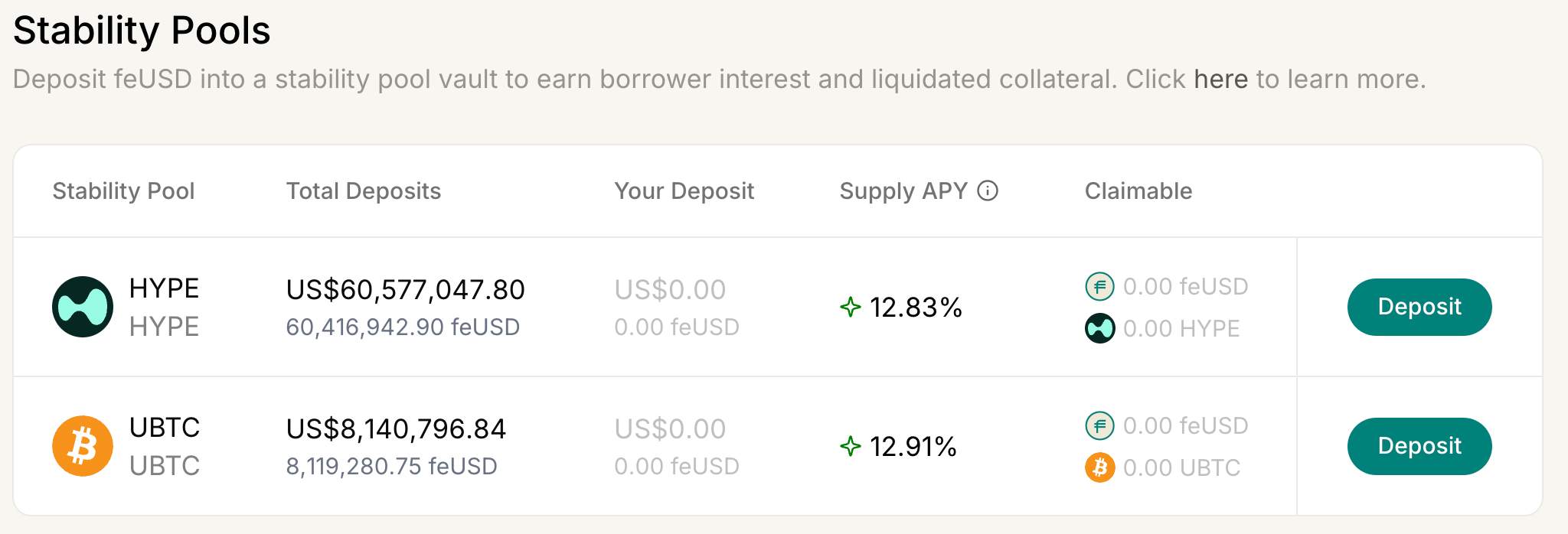
The user can then do as they wish with feUSD, most of which flows into liquidity pools and Felix’s stability pools which have been getting a healthy APR as depositors earn borrower interest and liquidated collateral:
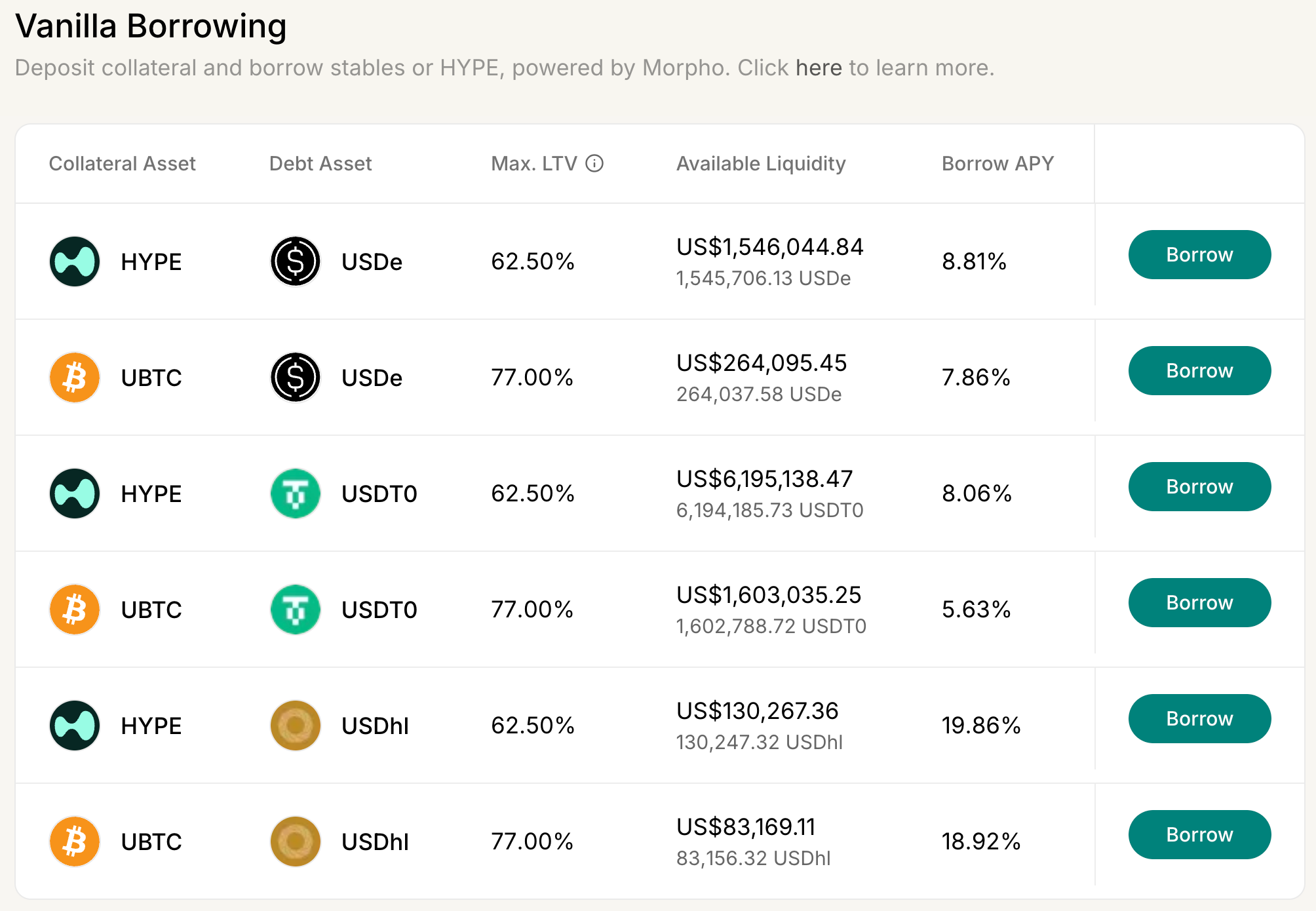
Vanilla markets came later, launching on mainnet roughly a month ago. These borrow/lend markets use a Morpho implementation to allow users to borrow and supply a broader range of assets including non Felix stablecoins like USDe and sUSDe while still requiring the same collateral types as the CDP product (HYPE and UBTC):
While executed very well, this is all pretty run of the mill DeFi stuff so far, wouldn’t you agree? I would say so, at least until USDhl arrived on the scene recently...

USDhl is Felix’s answer to the large and growing USDC balance in the Hyperliquid bridge. This balance currently sits around 3.7bn and is trending upwards over time (I would not fade a chart looking like this):
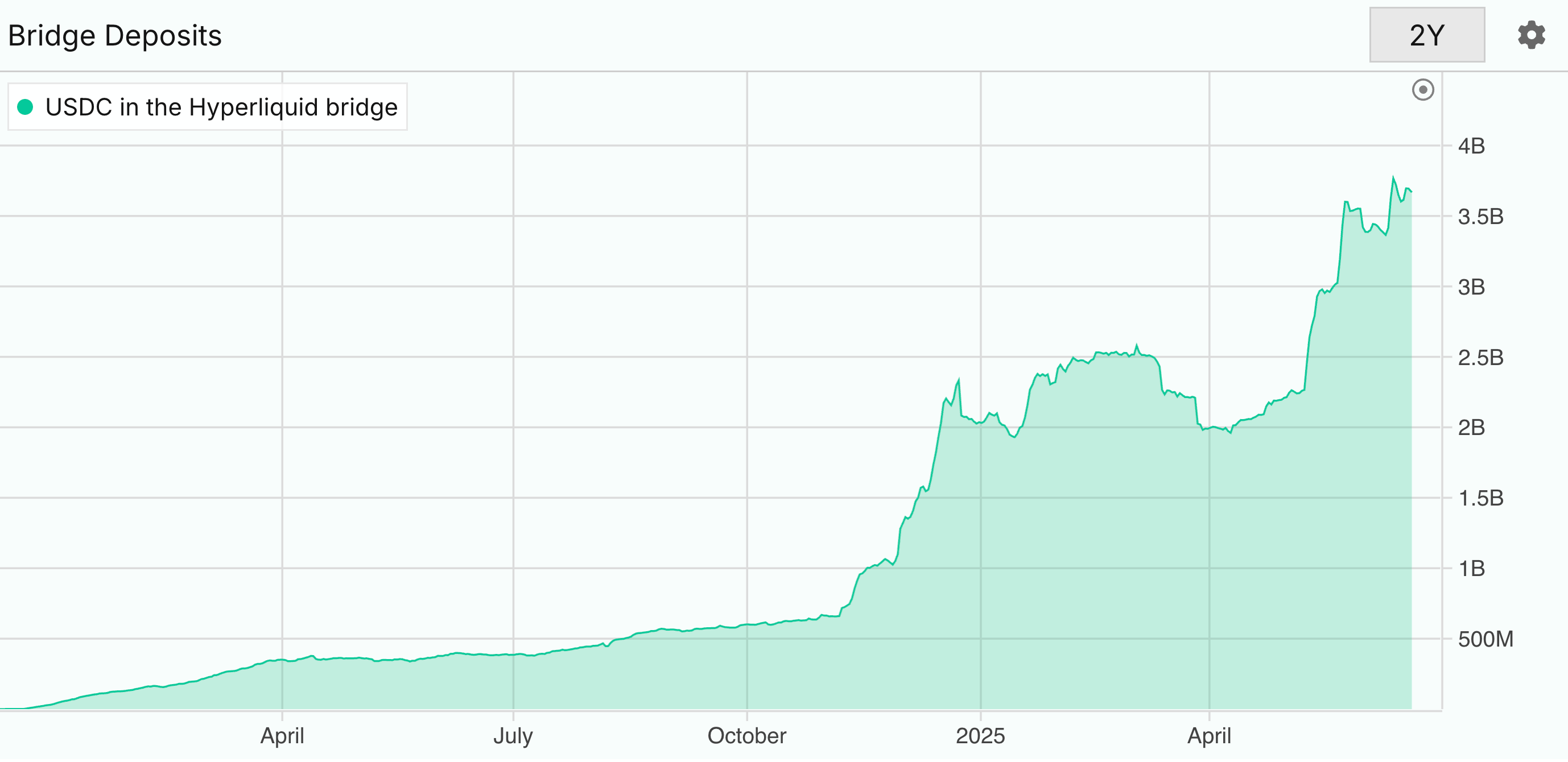
They make the argument that currently, this TVL represents value leaking to Circle’s balance sheet. If we make the simple assumption that Circle are able to generate a 5% yield per unit of USDC, we get to $185m per year (on 3.7bn USDC).
USDhl aims to solve this value leak as a Hyperliquid-aligned stablecoin designed to redirect the interest revenue from stablecoin deposits back into the Hyperliquid ecosystem through HYPE buybacks and growth incentives. This is achieved by backing every USDhl 1:1 by M, a wholesale dollar collateralized by short‑term U.S. Treasuries which earns a 4%+ annualized yield.
The Hyperliquid story thus far has been one of disruption against all odds, a decentralised exchange doing what no dex before it could do; meaningfully compete with the largest centralised exchanges. While it cannot be described as a decentralised stablecoin, the vision behind USDhl reflects the same energy.
Having launched just over a week ago, USDhl traction has been very encouraging thus far:
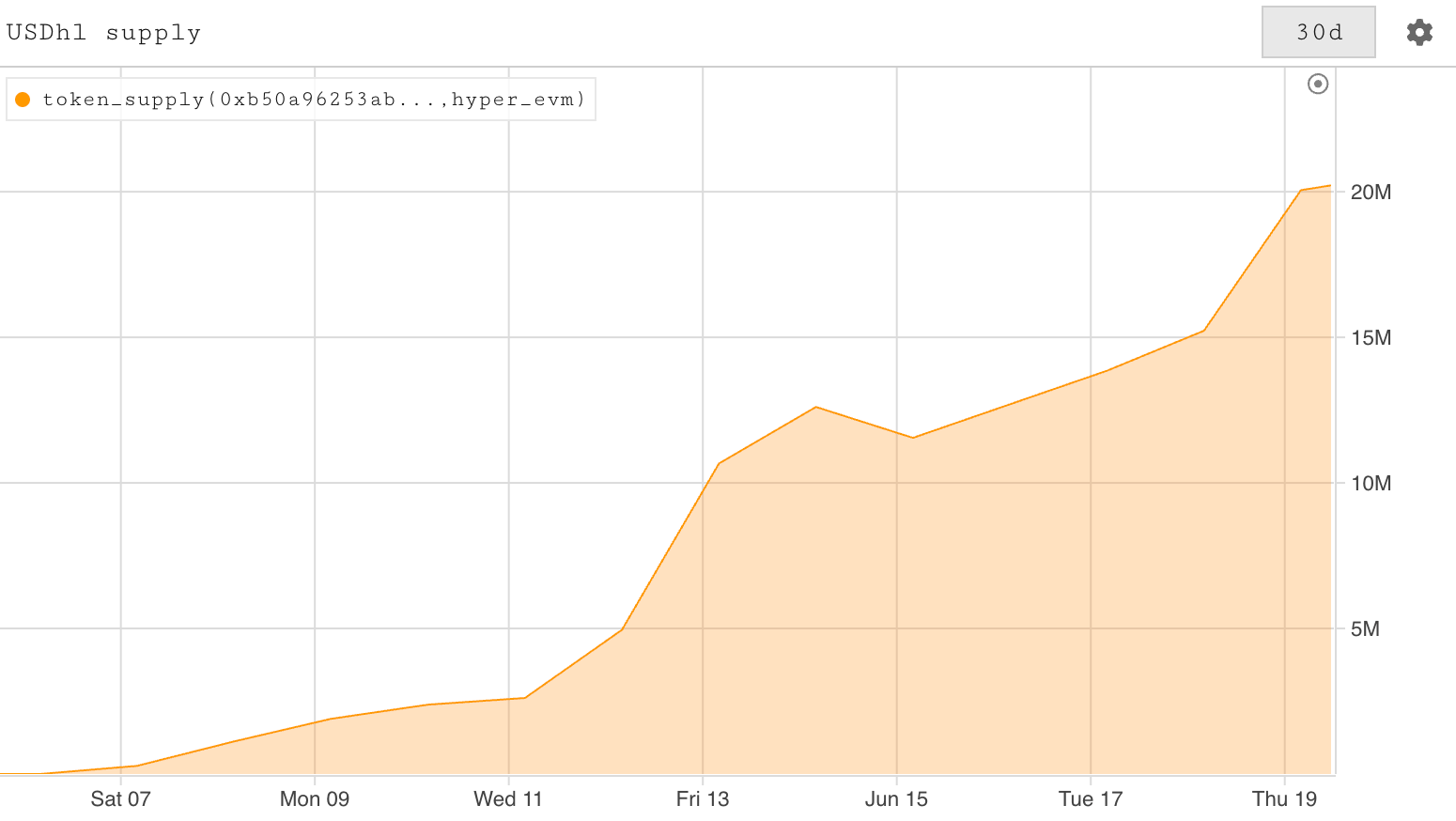

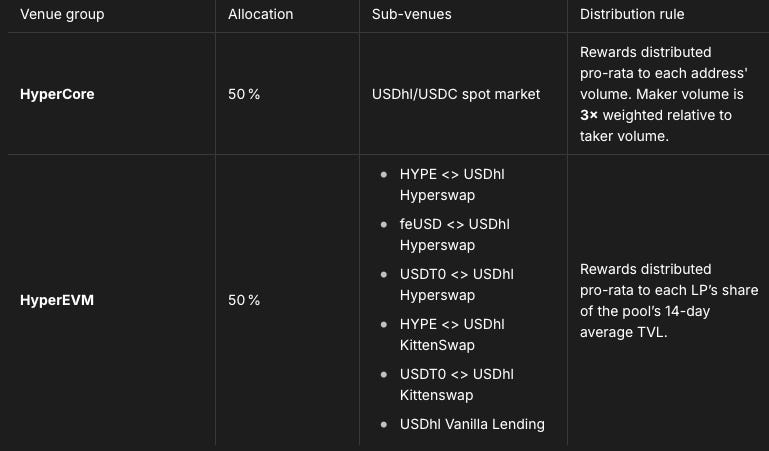
This is partially thanks to the rewards program they are running to bootstrap supply and importantly, incentivise liquidity provision in the early days of the stablecoin. For a limited period, 100% of revenues are being utilized as ecosystem incentives according to the following schema:
If you can’t already tell, I am very Felix-pilled and for good reason. I’m very excited for what the future holds for Felix, USDhl and the Hyperliquid ecosystem writ large - guess where I’ll be keeping tabs on it all? Yes that’s right, purrsec.com