


A practical guide on positioning for Polymarket
the following does not constitute investment or financial advice
Introduction
In both crypto and traditional markets, the most asymmetric opportunities often occur before assets go public (in private rounds).
For the most part, best-in-class projects tend to TGE at high valuations, limiting opportunities for secondary participants. This holds true in nearly every case except for the occasional Echo deal that breaks the pattern.
While some dismiss airdrop farming or pre-TGE participation as mercenary, I see it as a form of early-stage “seed investing” in protocols I believe in. Historically, engaging with pre-TGE protocols has been an excellent use of both time and capital — especially when you have high conviction in the team or product.
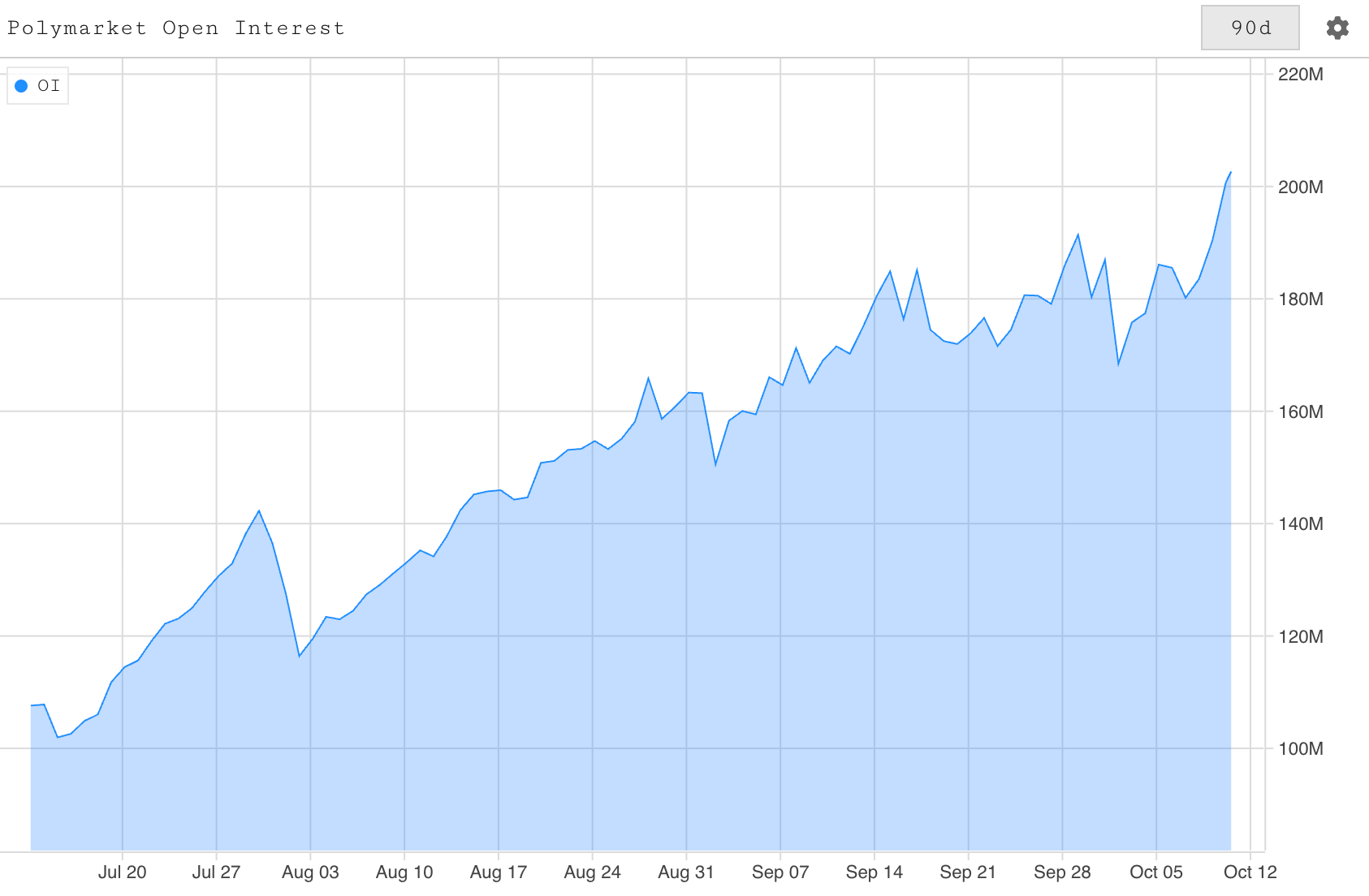
It’s not truly “early” to use Polymarket anymore, but prediction markets are seeing a clear resurgence in interest and usage. Today I want to outline some practical ways the average crypto market participant can position for $POLY.
The Case for $POLY
Let’s first look at the signs pointing toward a likely $POLY token and potential airdrop in the near future.
Exhibit A: Polymarket CEO retweets a tweet that mentions token launch
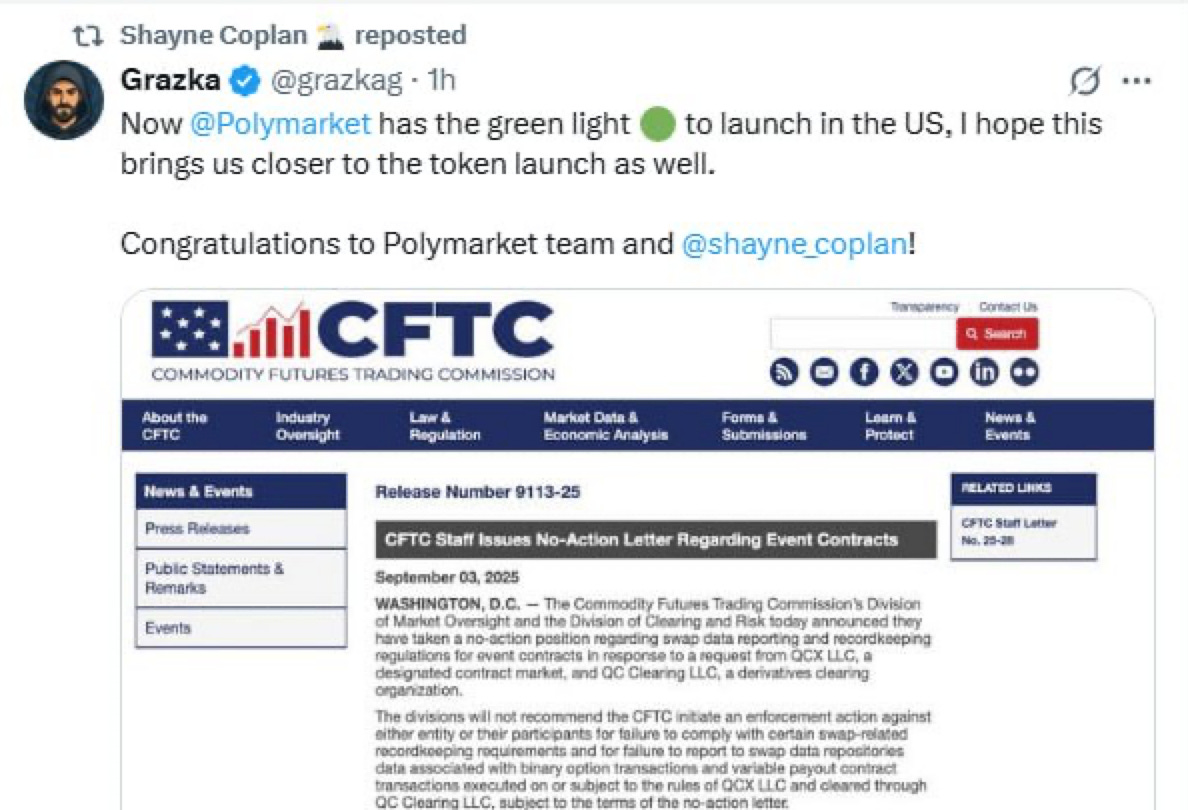
Exhibit B: Interesting reply guy activity
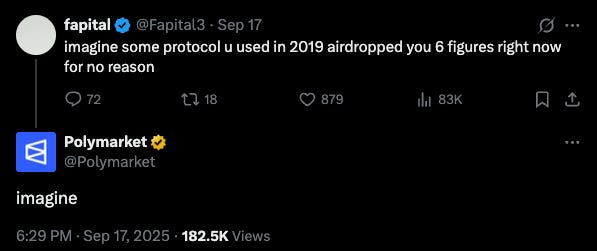
Exhibit C: Recent filing telling a similar story
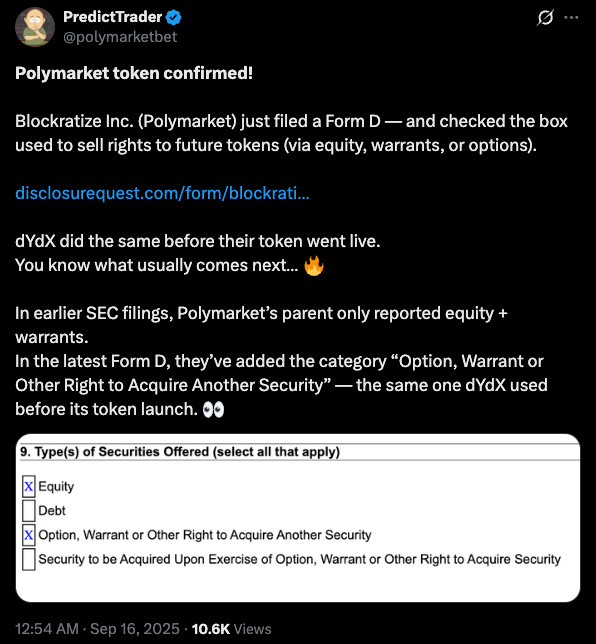
Exhibit D: don’t know whether it gets much clearer than this...
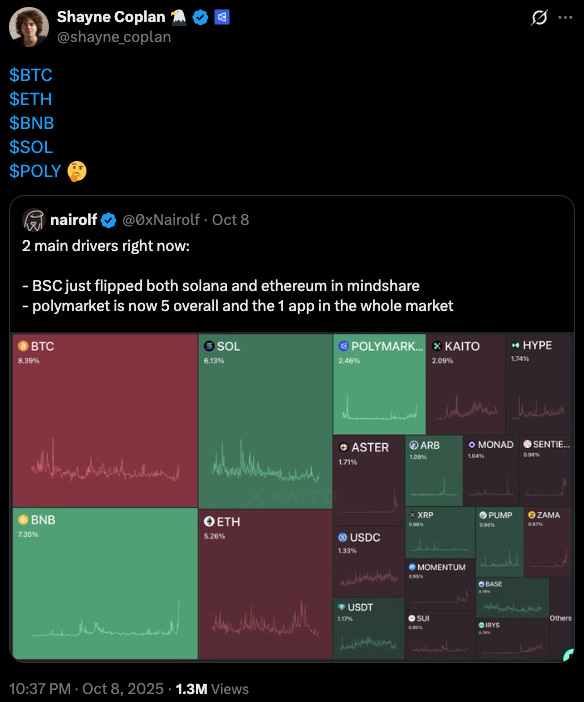
It hardly takes a detective to see what’s unfolding here: the $POLY token is coming, and an airdrop to users seems likely. With Polymarket’s most recent fundraise at a $9 billion post-money valuation, it’s safe to assume it’ll be a substantial one.
Strategy
Despite the obvious setup, on-chain data suggests that high-volume, profitable, and active Polymarket wallets remain relatively few (h/t @DidiTrading).
Of 1.35 million total traders:
$1k+ PnL: top 0.51%
$50k+ volume: top 1.74%
50+ trades: top 22.87%
In other words, the threshold for being considered an “active” or “high-value” user is surprisingly low. Perhaps making this a particularly attractive opportunity for smaller portfolios.
My framework for opportunities like this is simple:
Make economically rational decisions in a vacuum — decisions that make sense even if the airdrop never happens — but which offer large asymmetric upside if my thesis is correct.
Or more plainly: don’t burn money chasing an airdrop that might never come, or one you might not qualify for.
While I can predict that a Polymarket airdrop is highly likely, it’s not guaranteed. From a risk-management perspective, I aim to ensure that my activity is +EV regardless of the outcome.
Guide
So what am I actually doing?
A. Conservative “yield farming”


Betting on high-probability outcomes with a “nothing ever happens” mindset
In these cases, betting No on obvious outcomes has yielded roughly 3–5% returns. On an annualised basis, a portfolio of such bets looks strong — but the return profile is concave:
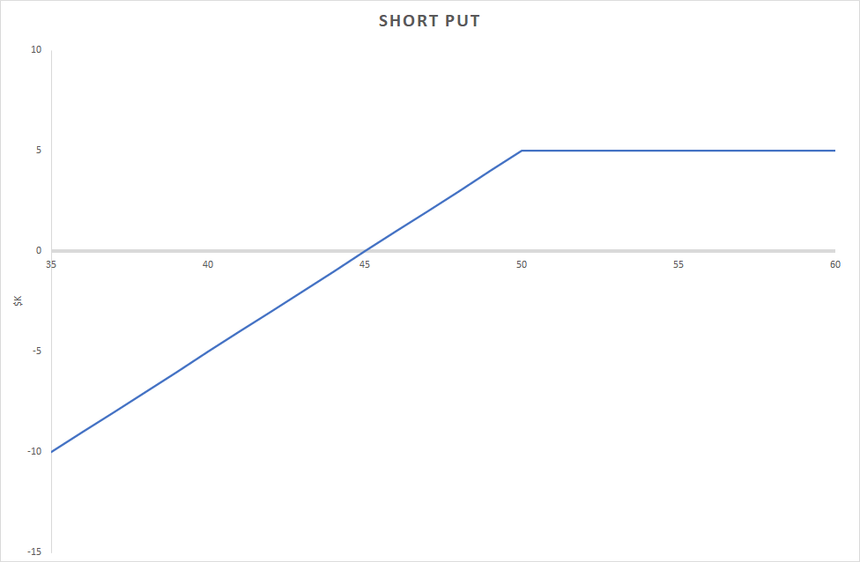
The payoff resembles a short put: small, steady gains while risking absolute loss (limited to position size). The phrase “picking up pennies in front of a steamroller” comes to mind.
B. Directional edge in crypto-native markets

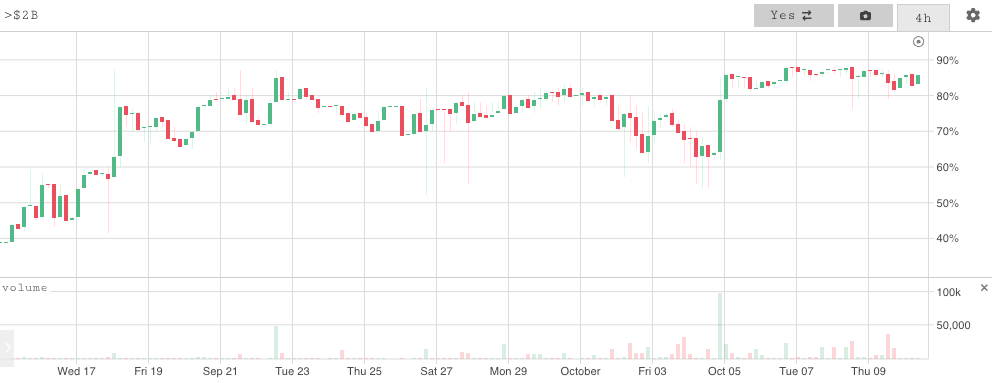
While there are genuine sharps in political or macro markets, that’s beyond the reach of most participants. I find the crypto-focused markets far more interesting.
For example, bidding Yes below 60c on Lighter market cap (FDV) >$2B one day after launch? looked compelling — and yielded over 50% in a few days.
These setups are usually size-constrained, but they’re great opportunities to engage with Polymarket while earning respectable returns on capital. Success here requires staying in tune with valuations, TGE timelines, and general market sentiment — but it’s arguably easier than guessing who the next president of Venezuela will be.
C. Cross-platform arbitrage
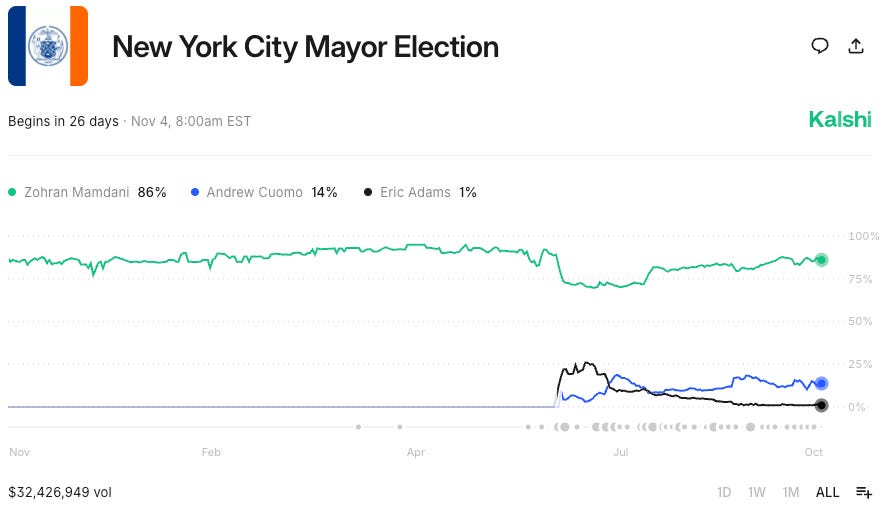
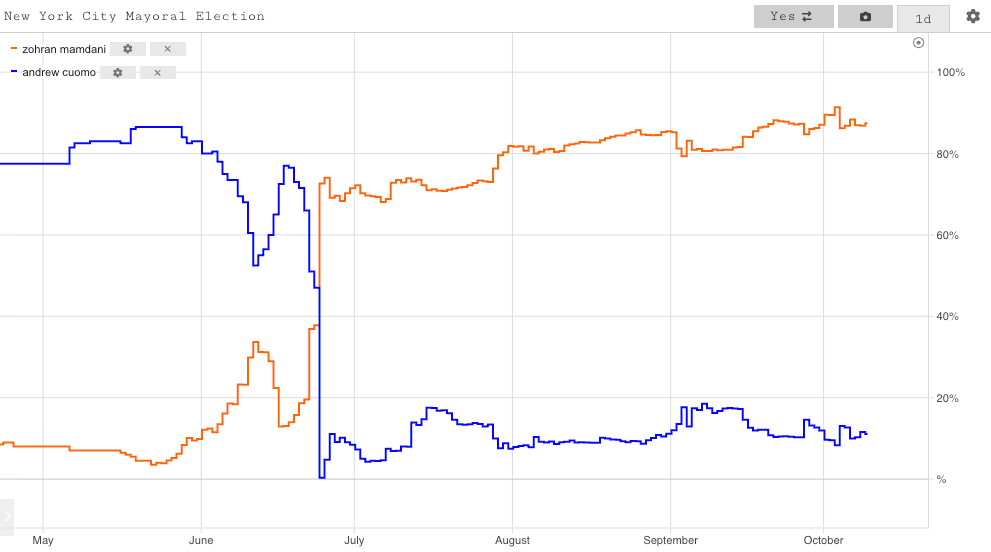
Some traders take opposing positions across platforms (e.g., long Zohran on Kalshi @ 86%, short Zohran on Polymarket @ 87.5%) to generate volume and open interest while maintaining neutrality.
In theory, that sounds great. In practice, it likely burns some capital through fees and spreads unless the mispricing is significant. I haven’t personally tested this, but if anyone has, feel free to ping me on X — I’d love to hear how it’s working in reality.
Closing Thoughts
Whether or not $POLY ultimately launches, actively using Polymarket remains one of the most interesting ways to participate in crypto’s evolving prediction-market ecosystem. My approach is simple: engage with the platform in ways that are self-sustaining, rational, and fun — while leaving the door open for asymmetric upside if and when the token drops.
In the meantime, I’ll continue using Parsec’s Polymarket analytics suite to monitor odds, holders, and market activity: https://parsec.fi/polymarket
Excellent, nice written